The passage of the Ghana Affirmative Action Bill is a historic achievement that holds the promise of transforming the political and social life of the nation.The bill, which has been in and out of Parliament since 2011, was finally passed unanimously on July 30, 2024. Now awaiting Presidential assent to become law, it is expected to ensure that a critical number of women hold key positions in the country.
The bill will in addition address socio-cultural, political, economic, and educational gender imbalances in both the private and public sectors. Comprising 34 clauses and six schedules, it seeks a 50/50 representation and participation of both women and men in governance, public positions of power, and all state decision-making processes (Affirmative Action Gender Equity Bill, 2024). This progressive increase in women's active participation aims to reach a minimum of 30% by 2030, aligning with the requirements of the Sustainable Development Goals (SDGs). This legislation will also ensure Ghana’s compliance with international human rights instruments to which it is a state party.
While the benefits of this bill are substantial, there are certain foreseeable challenges we must address to ensure its full implementation. These challenges include potential tokenism, political resistance, and lack of enforcement. Addressing these issues will require Ghana to draw lessons from countries such as Rwanda, Norway, India, and many others. Rwanda, with a 30% quota system, currently has women holding 61% of parliamentary seats (UN Women, 2024), resulting in strengthened institutions and economic growth and development. Norway’s 40% quota for women on corporate boards has not only increased female representation in leadership but also enhanced corporate performance and governance (OMFIF, 2023). India’s reservation system for women in local governance (Panchayats) ensures 33% of seats for women, empowering millions at the grassroots level, though challenges remain in ensuring
meaningful participation beyond mere representation.
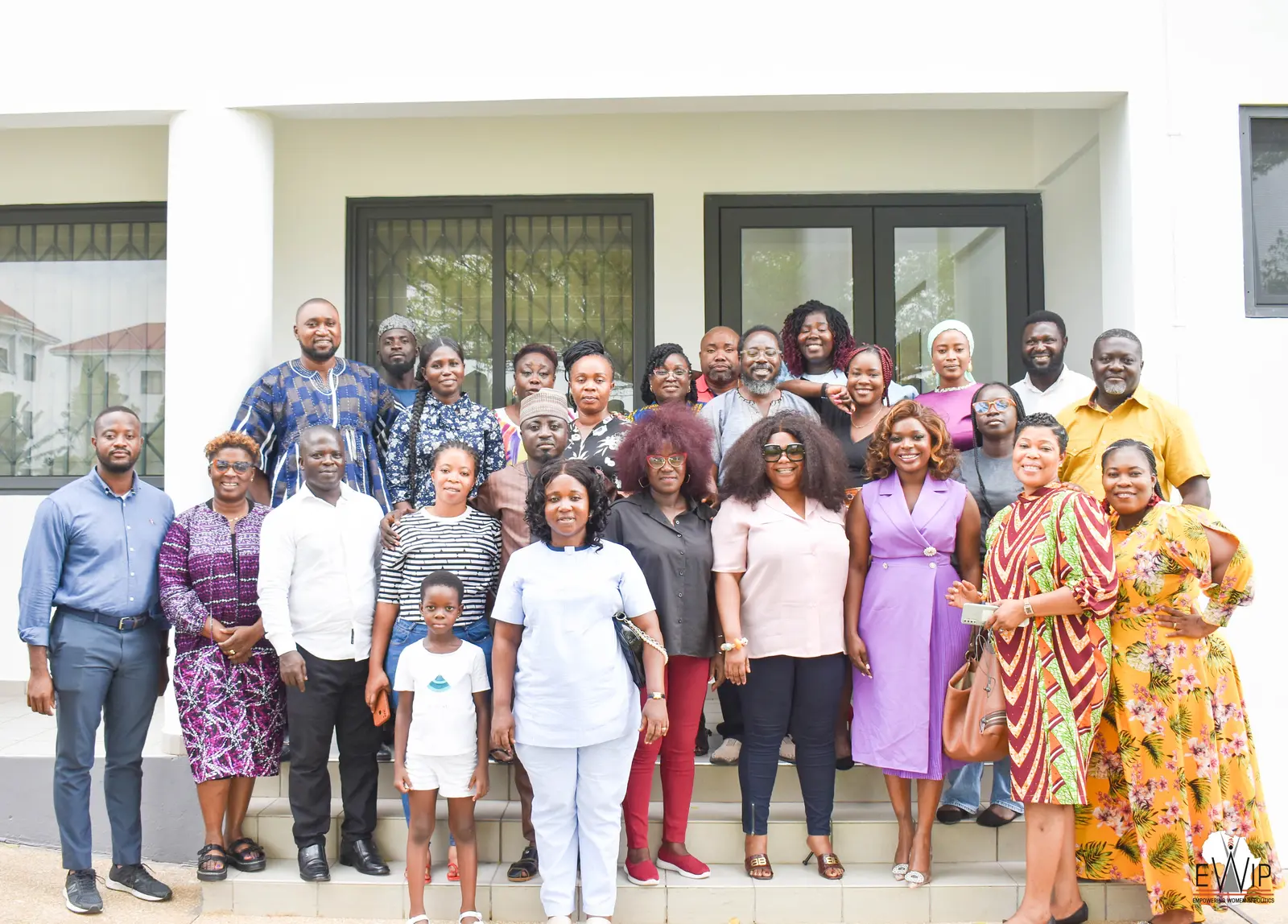
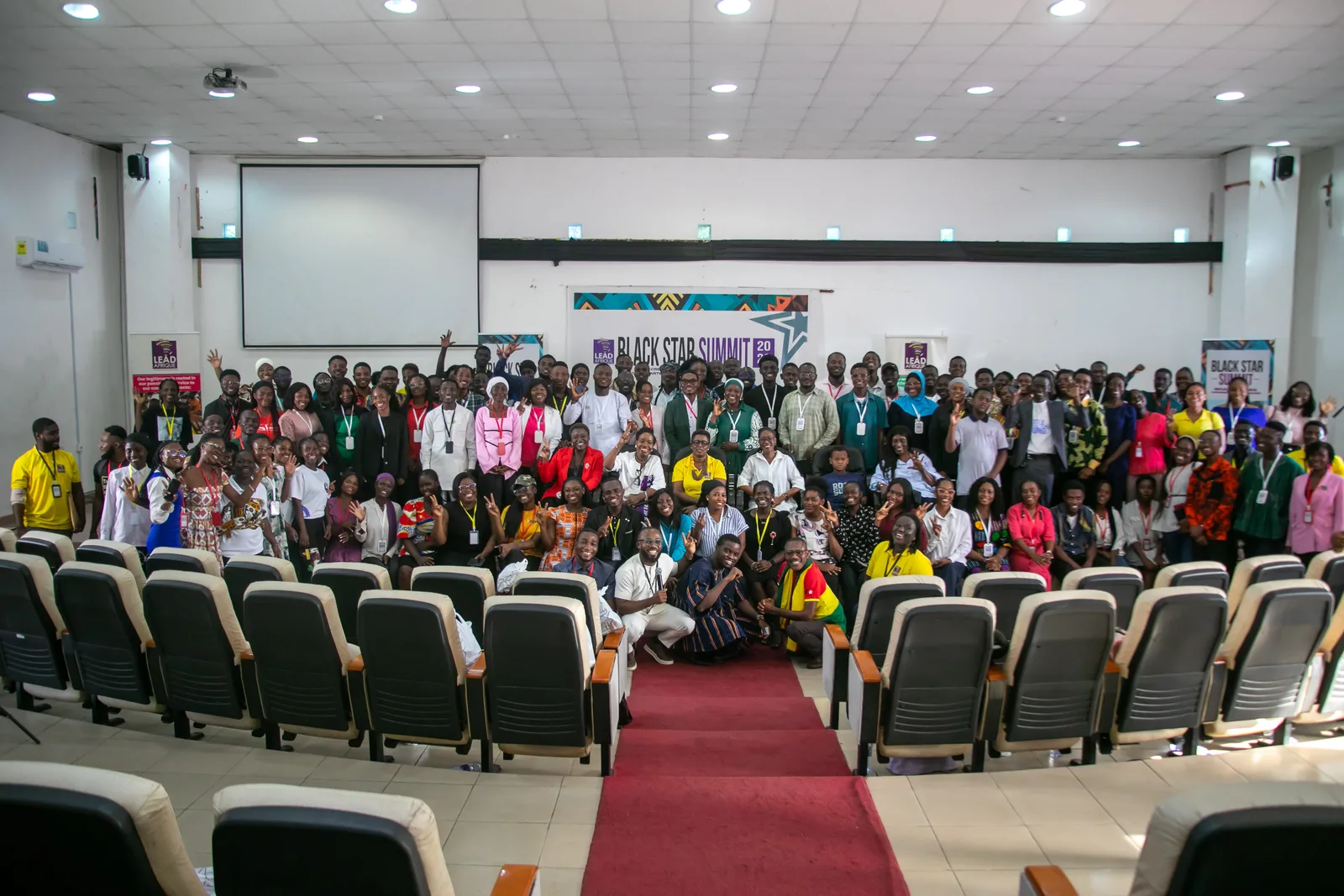
LeadAfrique International, a leadership development organization, congratulates the Parliament of Ghana for this landmark achievement, recognizing the bill’s potential impact on its "Empowering Women in Politics (EWIP)” project and the ability to reshape political participation for women in Ghana.
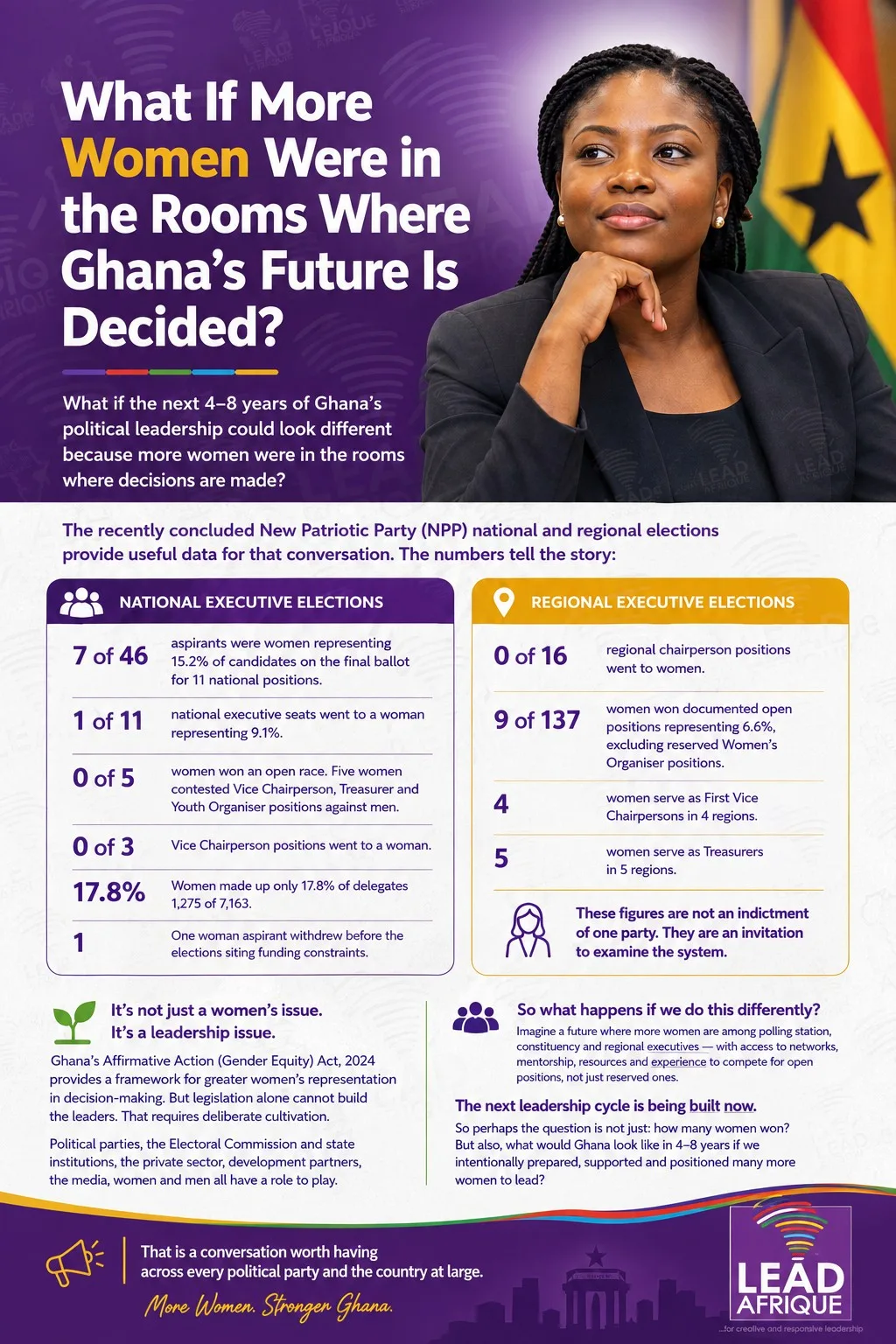
As it stands, women’s representation in Ghana’s Parliament is currently at 14.5%, while it is less than 5% in the District Assembly System (Statista, 2023). The immediate impact of the bill, when enacted, will likely be an increase in the number of women in political positions in the 2024 elections. Though this increase could have been achieved by allowing women to run unopposed in parliamentary primaries, less than 30% of women parliamentary aspirants emerged from the concluded primaries of the 2 major parties. Therefore, political parties must rally behind these women to ensure their success. Women who were previously marginalized though qualified, will feel empowered to compete, knowing there is a legal framework supporting their participation.
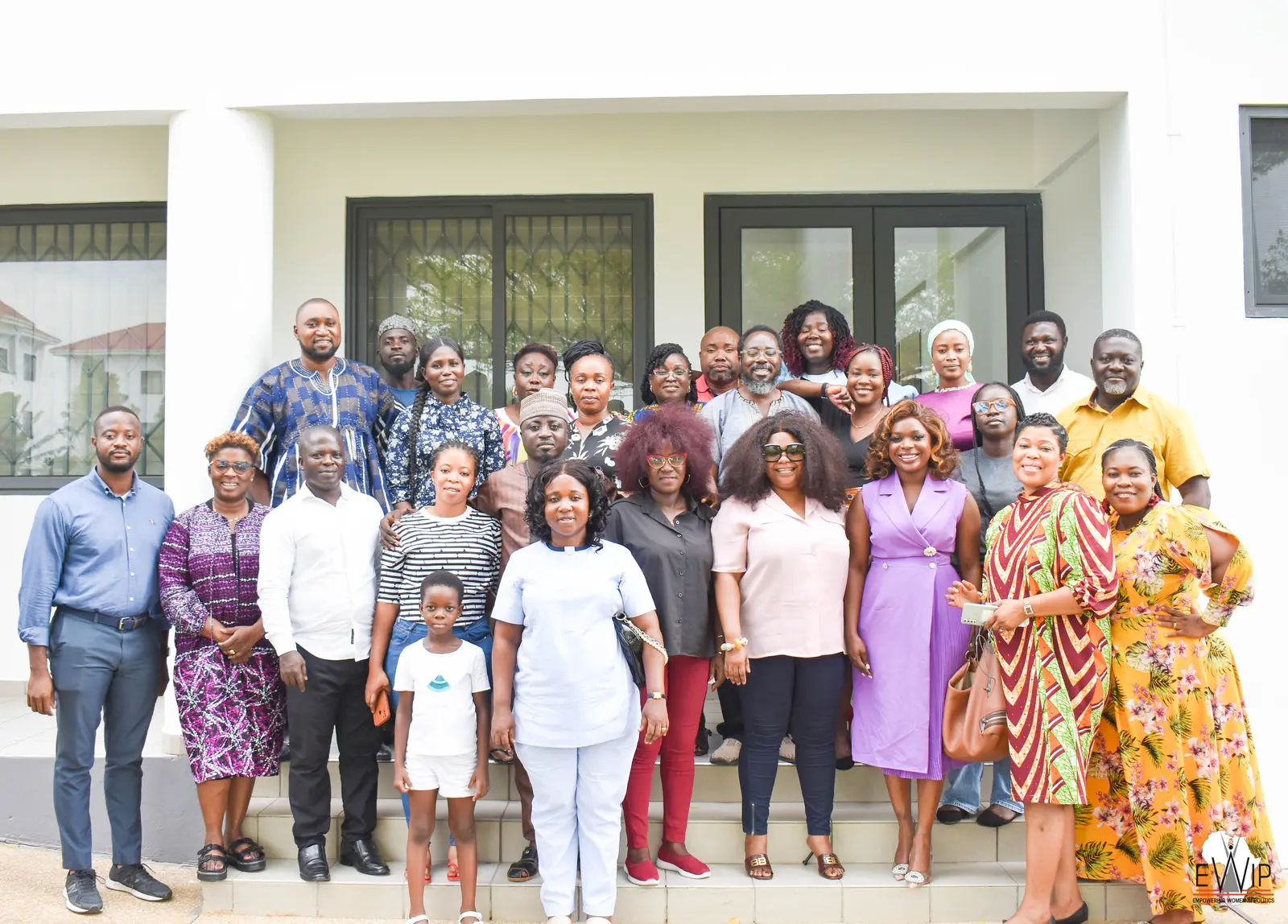
With less than half a year until the election, Ghana needs all hands-on deck. This includes galvanizing support from public and private institutions, as well as civil society organizations, to support women parliamentary candidates. This is where initiatives such as the Empowering Women in Politics (EWIP) project, implemented by LeadAfrique International, become invaluable. EWIP focuses on strengthening the capacities and confidence of women in active politics as we gear up for the 2024 election. In the short term, providing training and mentorship helps women navigate the political environment and overcome barriers. Additionally, EWIP’s holistic support system, including the involvement of spouses and male champions promotes a more inclusive political landscape that values and supports women's contributions.
The passage of the Affirmative Action Gender Equity Bill 2024 marks a significant milestone in Ghana's ongoing struggle for gender equality. By drawing lessons from other countries and leveraging the strengths of initiatives like EWIP, Ghana can overcome challenges and ensure the long-term success of this landmark legislation. LeadAfrique International's continued commitment to empowering women in politics will be instrumental in realizing the full potential of the Affirmative Action Law, paving the way for a more inclusive and equitable Ghana.