Every year on September 18th, International Equal Pay Day brings attention to one of the most persistent inequalities facing women globally—the gender pay gap. This day serves as a reminder that despite the rights enshrined in Article 23(2) of the Universal Declaration of Human Rights, the goal of equal pay for work of equal value remains far from realized.
In Ghana, this gap is especially glaring. According to the Ghana Statistical Service (2022), women earn 34.2% less than men for similar work, reflecting a deeply rooted inequity that mirrors global trends. The wage gap is not only a labor issue but a reflection of entrenched societal attitudes, further exacerbated by educational disparities, gender stereotypes, and
discriminatory practices in both formal and informal sectors.
The Annual Household Income and Expenditure Survey (AHIES) reveals that women with lower levels of education bear the brunt of wage inequality. Women with basic or no formal education face wage discrepancies as high as 60.1% and 54.0%, respectively. Even in the informal sector, where many women find employment, they earn nearly 59% less than their male counterparts. These gaps not only limit women’s financial independence but also stifle Ghana’s socio-economic growth by perpetuating structural inequalities.
Linking Equal Pay to Political Empowerment
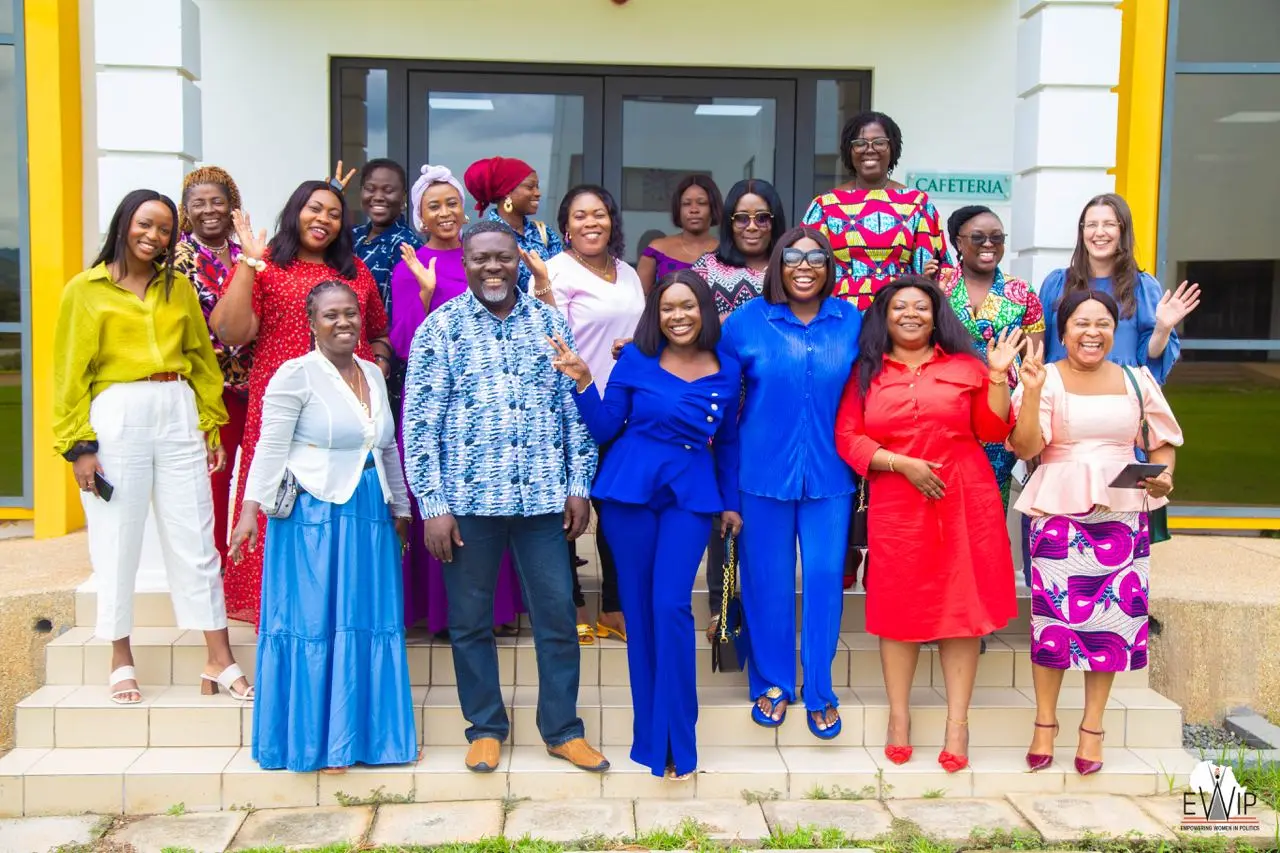
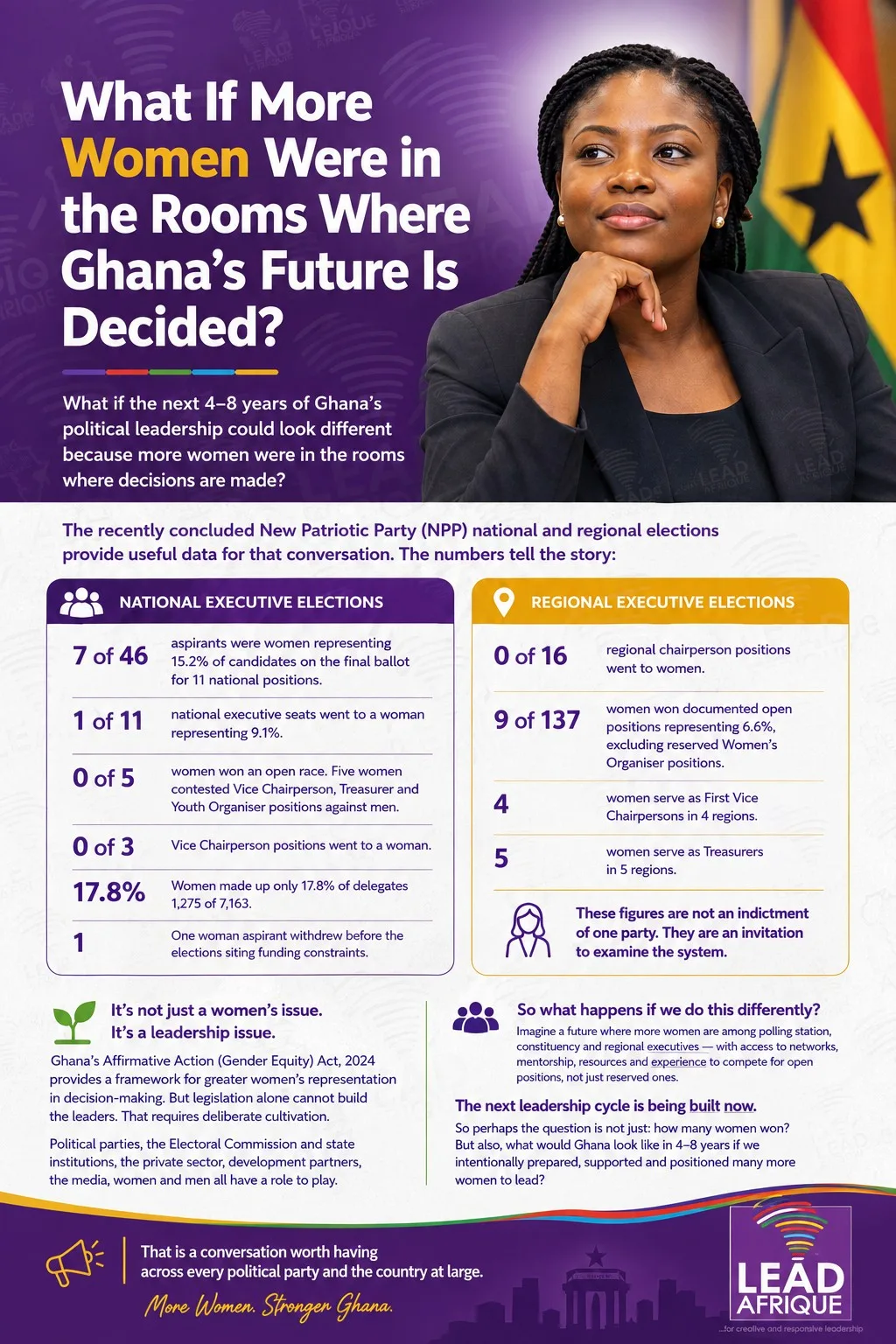
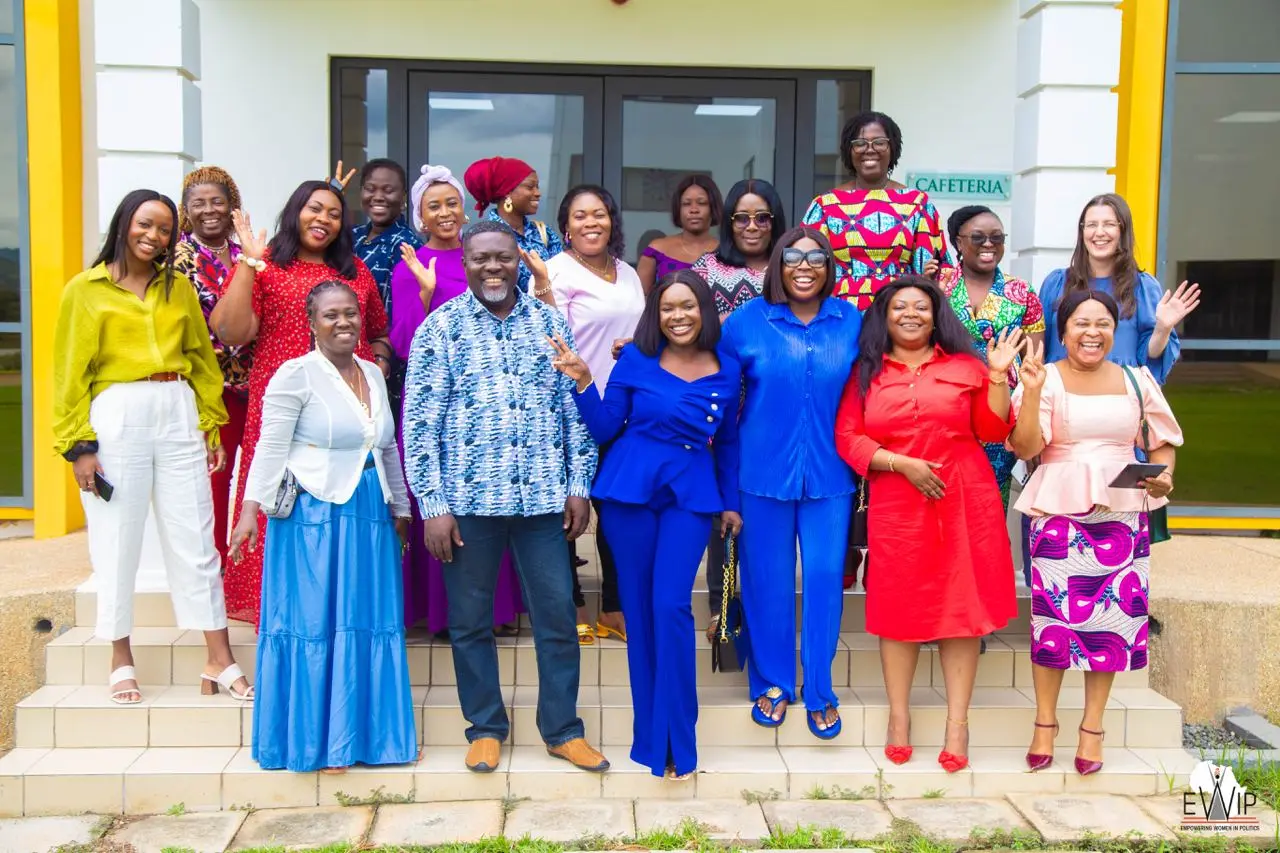
One notable effort to address these challenges is LeadAfrique International’s Empowering Women in Politics (EWIP) project. EWIP goes beyond merely advocating for wage equity; it seeks to bridge the wage gap through political empowerment. By increasing women’s participation and influence in politics, EWIP is tackling the root causes of wage inequality at their source—policies and decision-making.
EWIP’s five strategic pillars—coaching, mentoring, engagement with party executives, policy development, and capacity building—are designed to equip women with the skills and networks needed to succeed in Ghana’s political context. This is crucial because wage disparities are not just about earnings; they are about power, representation, and influence.
EWIP brings a uniquely Ghanaian approach to the global fight for gender equality by working closely with political stakeholders and community leaders. This localized focus is crucial in Ghana, where wage inequality is not merely an economic issue but a reflection of societal attitudes towards women’s roles in both the workforce and leadership. The program aims to create an environment where women are not just participants in politics but are active shapers of policies that affect their livelihoods, including wages.
Political Empowerment as a Catalyst for Change
The alignment between International Equal Pay Day and EWIP’s goals is clear: both emphasize that gender equality in the workforce is inseparable from gender equality in leadership. Research consistently shows that women in leadership roles are more likely to champion policies that advance gender equality, including wage equity. Therefore, empowering women to hold political office directly contributes to dismantling the institutional barriers that perpetuate the wage gap.
This connection between political empowerment and economic justice for women cannot be overstated. As more women ascend to positions of influence within political parties and governance structures, the likelihood of meaningful reforms—such as wage transparency, fair pay, and anti-discrimination laws—increases. In short, addressing the gender wage gap requires tackling broader power imbalances in society.
The Road Ahead: Equal Pay as Part of a Larger Movement
The gender wage gap in Ghana, like in many countries, cannot be closed without addressing the deeper issues of power, representation, and societal attitudes toward women. Political empowerment is not just complementary to economic empowerment—it is essential. On International Equal Pay Day, we must acknowledge that achieving equal pay is about more than wages; it is about creating a society where women have equal opportunities in all spheres of life.
As Ghana confronts its gender pay gap, initiatives like EWIP remind us that true progress will come only when women are empowered both economically and politically. By investing in the next generation of female leaders, we can pave the way for lasting change—ensuring that the wage gap becomes a thing of the past.